
Exploring Eco-Friendly Repair Methods
As our society becomes increasingly aware of environmental issues, the demand for sustainable repair methods has risen. In this article, we will explore various eco-friendly repair techniques that can help minimize waste while delivering effective solutions for household items.
Understanding Eco-Friendly Repair Techniques
Eco-friendly repair methods focus on minimizing environmental impact while maximizing functionality. According to a study published by the Environmental Protection Agency, repairing household items instead of discarding them can significantly reduce waste. This is because many items that end up in landfills can be repaired rather than replaced.
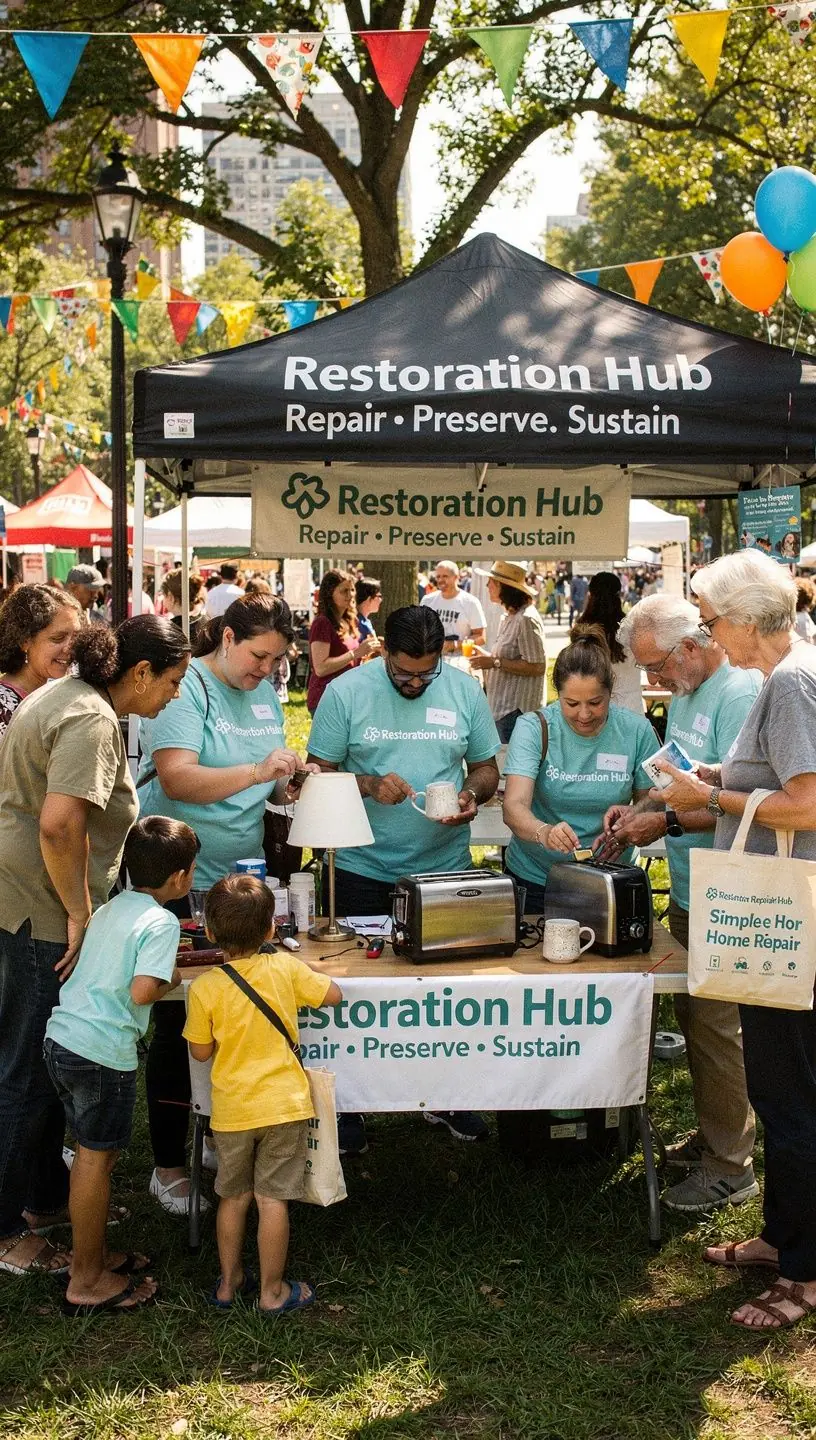
"Repairing rather than replacing is not only cost-effective but also environmentally responsible." – Industry Expert
Common Eco-Friendly Repair Methods
- Textile Repair: Rather than throwing away torn clothing, techniques like darning and patching can revive favorite garments. Many users report that these methods often require minimal skill and can be learned quickly.
- Furniture Restoration: Instead of discarding old furniture, consider refinishing or reupholstering. Experts recommend using water-based paints and natural fibers, which are less harmful to the environment.
- Electronics Repair: Many electronic devices can be repaired with small components or software updates. Research indicates that approaching repairs for electronics can extend device lifespan by up to 30%.
The Process: How to Start Repairing
Starting with eco-friendly repairs may seem daunting, but breaking it down into manageable steps can help. Here’s a simplified process to follow:
- Assess the Damage: Look closely at the item to determine what can be repaired versus what needs to be replaced.
- Research Repair Techniques: Numerous online tutorials and community workshops can provide valuable insights. Typically, these resources include step-by-step guides.
- Gather Tools: A basic toolkit with sewing supplies for textiles or simple hand tools for furniture is often sufficient.
- Practice Patience: Repairs may not be perfect on the first try. In most cases, practice is necessary to refine skills.
Challenges to Consider
While eco-friendly repair methods offer numerous benefits, it’s important to acknowledge some limitations:
- Time Commitment: Repairs can be time-consuming, with some processes taking several hours or even days to complete.
- Skill Development: Many methods involve a learning curve, particularly for more complex repairs.
- Not Always Cost-Effective: In some cases, the cost of materials for repairs might approach the cost of new items, although this is not typical.
Conclusion
Eco-friendly repair methods provide a viable option for those looking to minimize waste and repair rather than replace. These methods not only help the environment but can also foster creativity and innovation. By understanding the principles behind these techniques and setting realistic expectations, anyone can become a part of the solution. Remember, the journey of learning to repair can often be as fulfilling as the outcome itself.
Learn More