How Traditional Craftsmanship Enhances Repairs
In a world dominated by mass production and disposable items, the art of traditional craftsmanship offers a refreshing approach to repairs. This article explores how integrating skilled craftsmanship into restoration services can significantly improve the longevity and aesthetic appeal of household items.
Understanding the Basics of Traditional Craftsmanship
Traditional craftsmanship refers to the time-honored techniques and skills passed down through generations. According to industry experts, these methods often involve meticulous handwork that prioritizes quality over speed. This approach can enhance repairs by ensuring each item receives the attention it deserves. Research indicates that items repaired through skilled craftsmanship tend to have a longer lifespan compared to those repaired with modern, less personalized techniques.
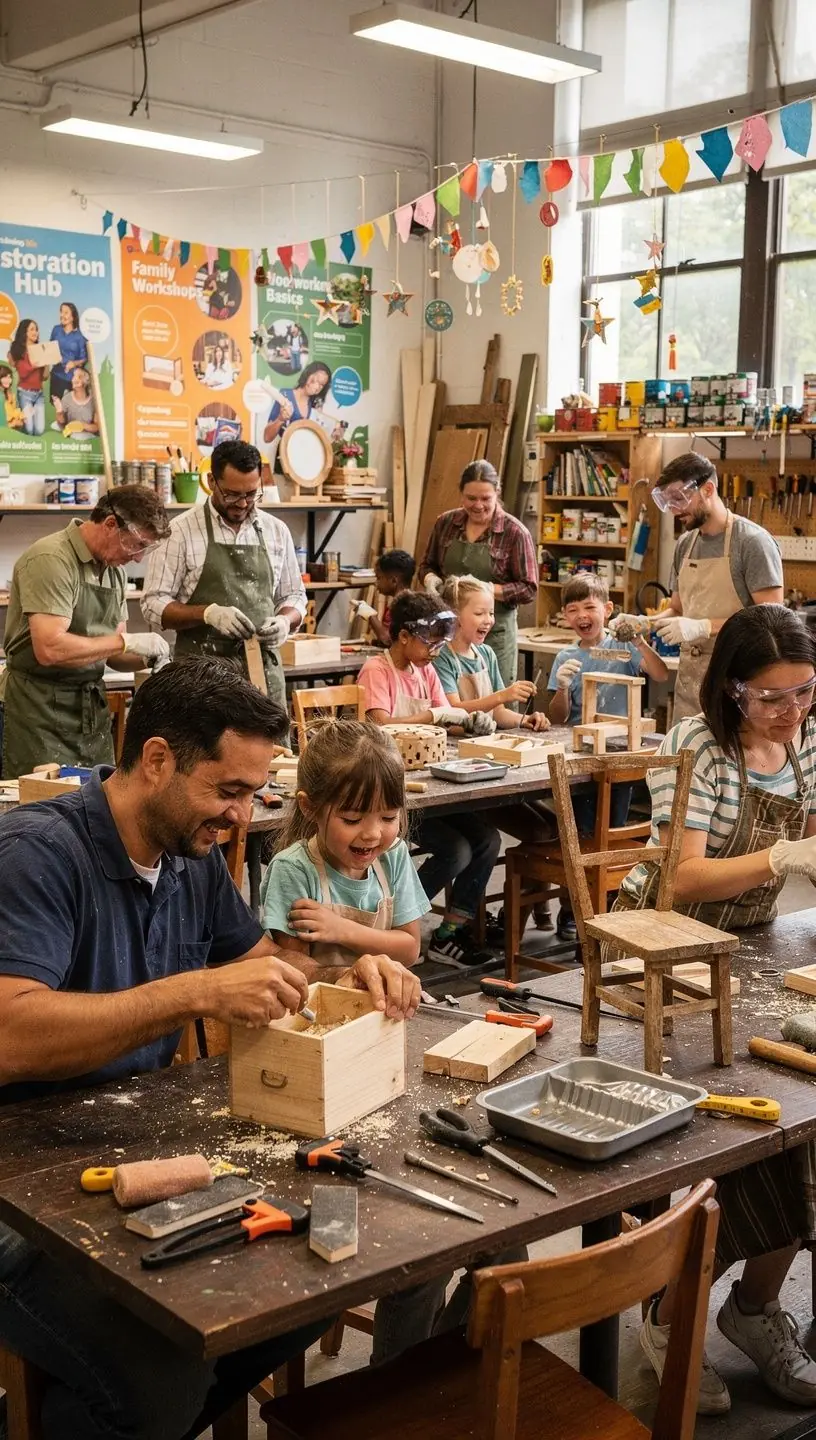
"Craftsmanship is not just about skill; it's about the passion and dedication towards creating something that lasts."
Why Traditional Craftsmanship Matters
The principle behind traditional craftsmanship is rooted in its attention to detail and the use of high-quality materials. Many users report that items repaired by skilled artisans not only look better but also function more effectively. Here are a few reasons why traditional craftsmanship is essential in the repair process:
- Durability: Handcrafted repairs often involve the use of premium materials that can withstand wear and tear, enhancing the item’s durability.
- Aesthetic Value: Artisans can restore the original beauty of items, making them more visually appealing and valuable.
- Customization: Skilled craftsmen can tailor repairs to fit specific needs and preferences, which is often not feasible with machine-made solutions.
Practical Applications of Craftsmanship in Repairs
Utilizing traditional craftsmanship in repairs involves a detailed process. Here’s what you might expect when seeking these services:
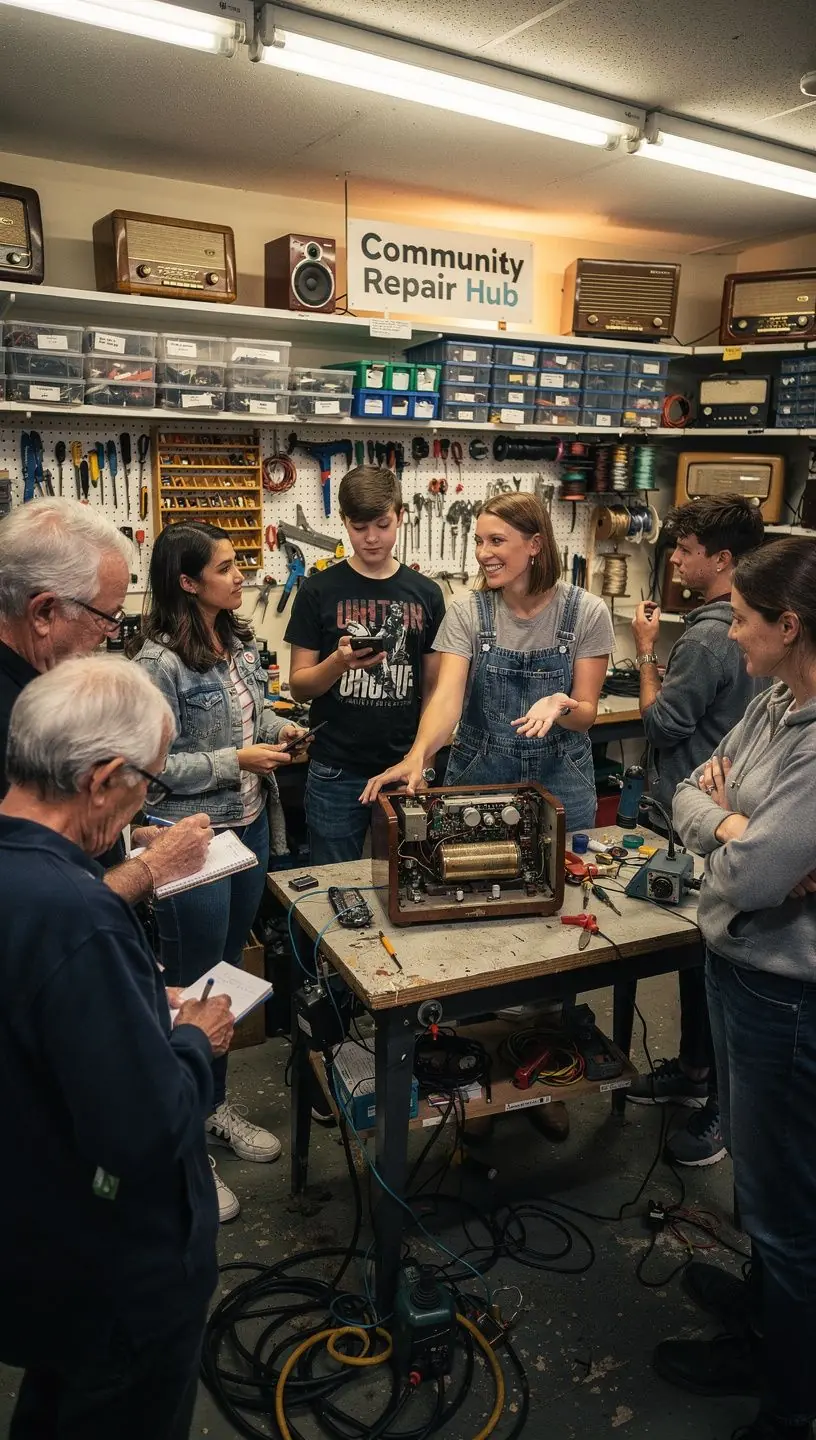
- Assessment: A skilled artisan evaluates the damaged item to identify the best repair methods. This phase typically takes anywhere from a few hours to a few days, depending on the item's condition.
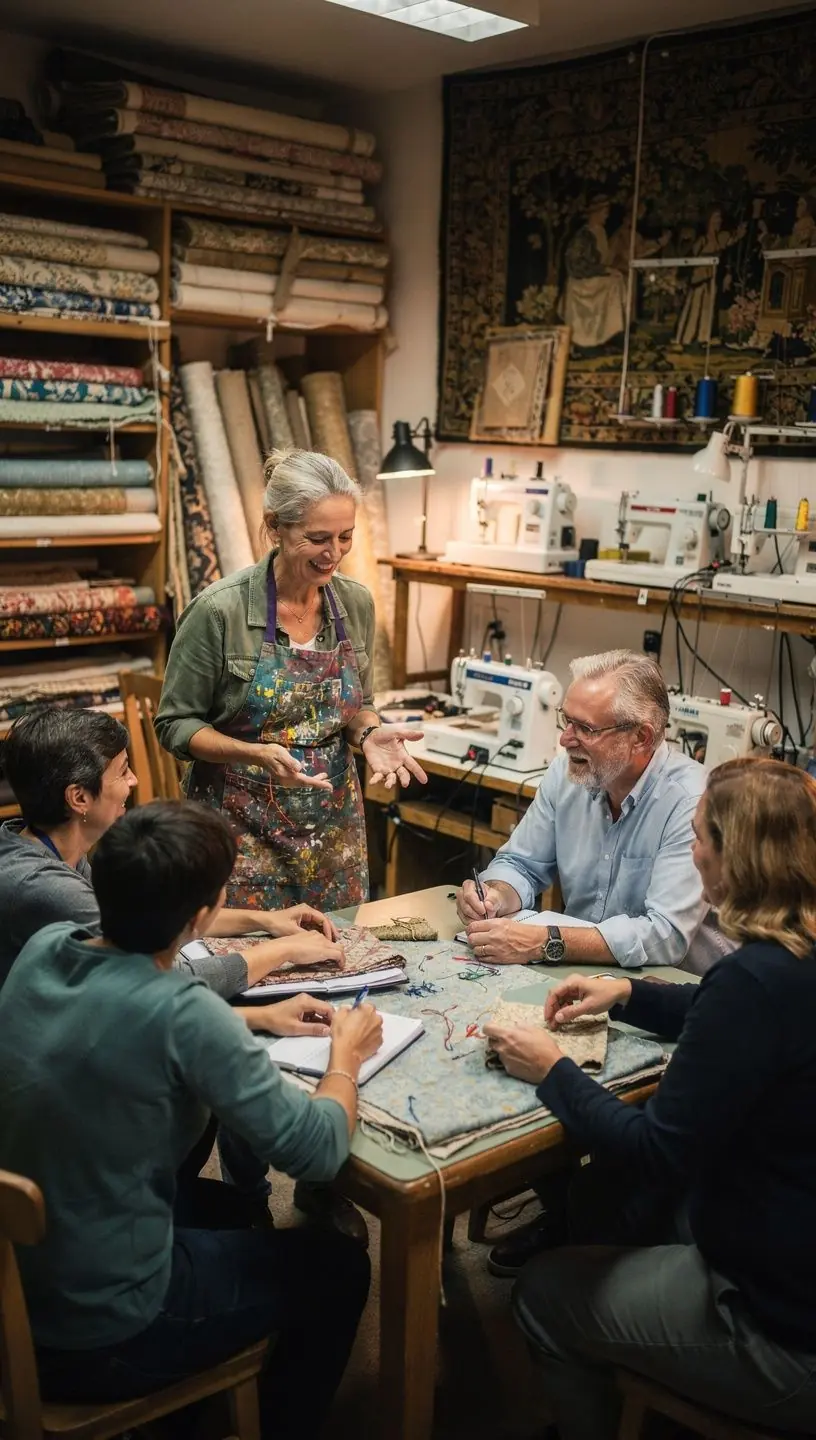
- Material Selection: Based on the assessment, quality materials are selected to ensure the repair is not only effective but also aesthetically pleasing. This could require sourcing specific woods, fabrics, or metals.
- The Repair Process: The repair itself is performed using techniques that may take longer than modern methods but result in a more reliable and durable restoration. This step can often take several days to complete.
Limitations and Considerations
While traditional craftsmanship offers numerous benefits, it’s important to acknowledge certain limitations. Repairs involving traditional techniques may require a longer turnaround time, typically ranging from a week to several weeks, depending on complexity. Furthermore, the effort involved in sourcing materials and the skills required may not be suitable for all items—particularly those that are extensively damaged or made from unsustainable materials.
Conclusion
In summary, traditional craftsmanship plays a vital role in enhancing repairs of household items. By focusing on quality, durability, and personal touch, skilled artisans can breathe new life into cherished possessions. While the commitment to craftsmanship requires time and effort, the long-term benefits often outweigh the initial inconvenience. Consider engaging with a local artisan to explore how traditional methods can elevate your repair needs, fostering both sustainability and appreciation for skilled work.
Learn More