Understanding the Benefits of Offline Consultations
In an age dominated by digital communications, offline consultations remain a crucial part of the service industry. This article explores why these face-to-face meetings can provide significant advantages, particularly in the context of restoration services for household items.
The Importance of Personal Interaction
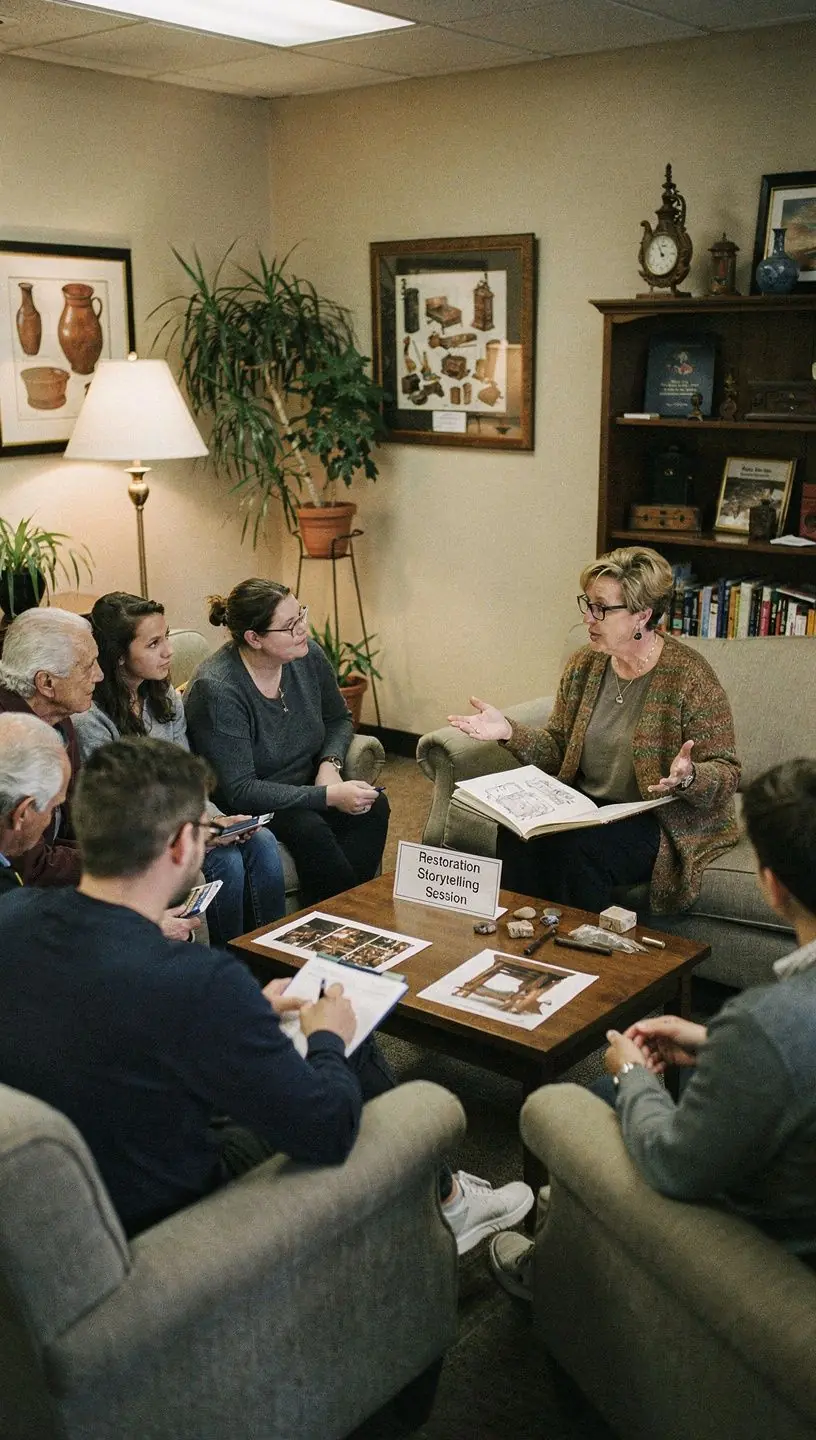
Offline consultations facilitate a level of personal interaction that digital communication often lacks. According to a study published in the Journal of Service Research, personal interactions can enhance customer satisfaction and trust. Many users report feeling more at ease discussing their needs in person, which can lead to a more tailored service approach.

"Face-to-face meetings can significantly improve the understanding of customer needs and expectations." - Industry Expert
Benefits of Offline Consultations
- Enhanced Communication: In-person discussions allow for clearer communication. Non-verbal cues and immediate feedback can lead to a more productive conversation.
- Trust Building: Establishing a rapport through personal interaction often results in higher trust levels. Research indicates that trust is a critical component in service industries, affecting customer loyalty and satisfaction.
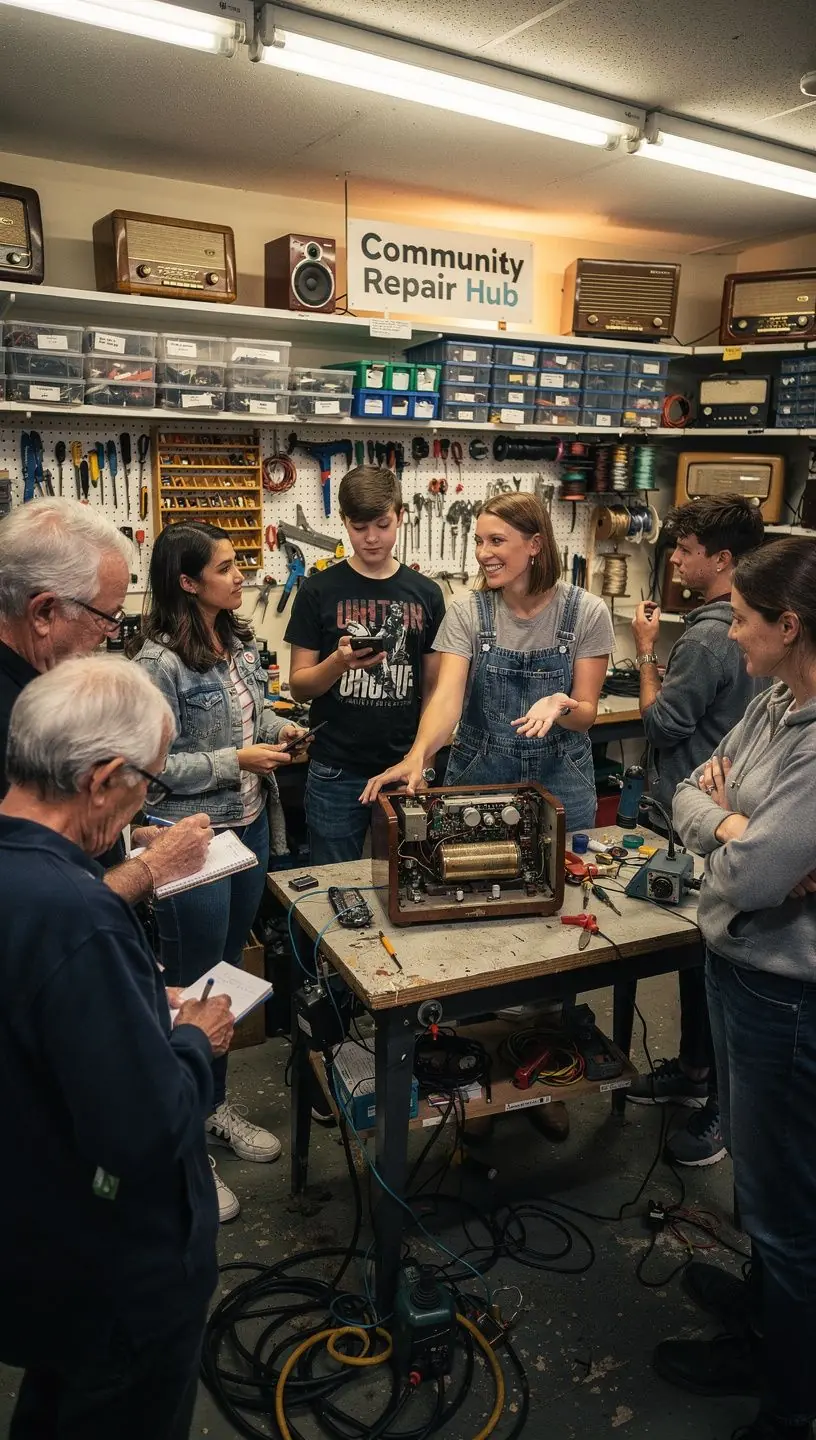
- Detailed Assessments: During offline consultations, professionals can conduct thorough assessments of items needing restoration. This hands-on approach often leads to more accurate diagnoses and better service recommendations.
How Offline Consultations Work
The process typically involves scheduling an appointment with a restoration expert who will meet you at your location or in a consultation space. The expert will assess your items and discuss your specific needs, which may involve:
- Initial Assessment: Evaluating the condition of your items to provide a realistic understanding of what can be restored.
- Personalized Recommendations: Offering tailored advice based on the assessment, explaining potential processes and timelines.
- Cost Estimates: Providing a clear breakdown of expected costs, which can help in budgeting for the restoration work.
Setting Realistic Expectations
While offline consultations offer numerous benefits, it is essential to acknowledge limitations. These meetings typically require advance scheduling and can last anywhere from 30 minutes to a few hours, depending on the complexity of the items being discussed. Moreover, the restoration process itself may take several weeks, depending on the extent of the work needed.
It’s important to note that offline consultations may not be ideal for every situation. For individuals with busy schedules or those located far from service providers, online consultations might still be a practical alternative. However, where feasible, in-person meetings often result in a more comprehensive understanding of the work required.
Conclusion
In summary, while digital communication continues to grow, offline consultations remain an effective approach for restoration services. They offer advantages in communication, trust-building, and detailed assessments, ultimately leading to better service outcomes. By understanding the benefits and limitations of these consultations, customers can make informed decisions about utilizing restoration services effectively.
Learn More