Understanding Materials Used in Home Restoration
Home restoration can be a complex process, but understanding the materials used is crucial for achieving effective results. This article delves into common materials, their properties, and how they contribute to successful restoration projects.
Understanding the Basics
Home restoration often involves a variety of materials, each serving a specific purpose. Wood, metal, glass, and fabric are commonly used in household repairs. According to studies by the American Society of Home Inspectors, the right choice of materials can significantly affect the durability and appearance of restored items.
Commonly Used Materials
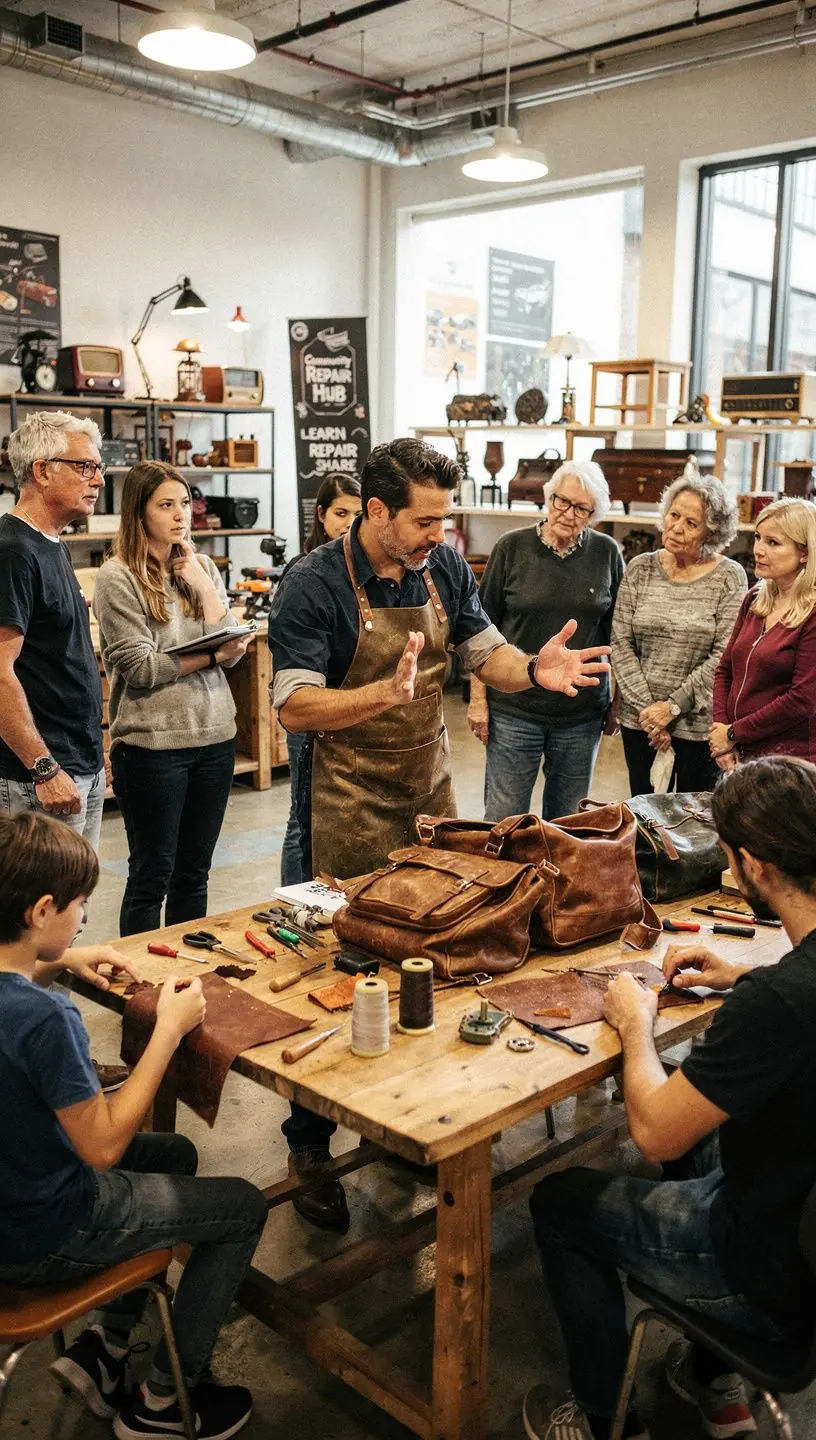
- Wood: Frequently used for furniture and structural elements, wood is favored for its strength and aesthetic appeal. Research indicates that hardwoods, like oak and maple, are typically more durable than softwoods.
- Metal: Often used in fixtures and furniture hardware, metals such as steel and aluminum provide durability. Experts recommend using corrosion-resistant coatings to extend the life of metal components.
- Glass: Used in windows, mirrors, and decorative objects, glass adds elegance to restored items. Many users report that tempered glass is advisable for safety and durability.
- Fabrics: Upholstery and drapery materials are important in home restoration. According to fabric experts, natural fibers like cotton and linen often offer better breathability compared to synthetic options.
"The selection of materials in restoration is critical; the wrong choice can lead to frequent repairs and dissatisfaction." - Home Restoration Expert
Practical Application
When selecting materials for home restoration, consider the following:
- Assess the condition: Before beginning any project, evaluate the existing materials. This typically takes time, but understanding what can be repaired versus what needs replacement is essential.
- Match aesthetics and function: Choose materials that not only look appealing but also serve the intended function well. For example, opting for moisture-resistant materials in humid areas can help prevent deterioration.
- Consult with experts: Many restoration professionals recommend seeking advice on material selection. This works best when detailed descriptions of your project's requirements are provided.
Education as a First Step
It is vital to educate yourself about the properties and applications of various materials. The more informed you are, the better choices you can make during the restoration process. A lack of understanding can potentially lead to costly mistakes, as not all materials are suitable for every restoration project.
Conclusion
Understanding the materials involved in home restoration is an essential part of the process. By educating yourself and consulting with experts, you can make informed decisions that enhance the longevity and aesthetics of your home. While the restoration process may involve a learning curve, the rewards of a well-executed project can offer significant personal satisfaction.
Learn More