Exploring Techniques for Upholstery Repair
Upholstery repair can breathe new life into your furniture, making it both functional and aesthetically pleasing. This article explores various techniques to ensure effective repairs while maintaining the original craftsmanship.
Understanding the Basics of Upholstery Repair
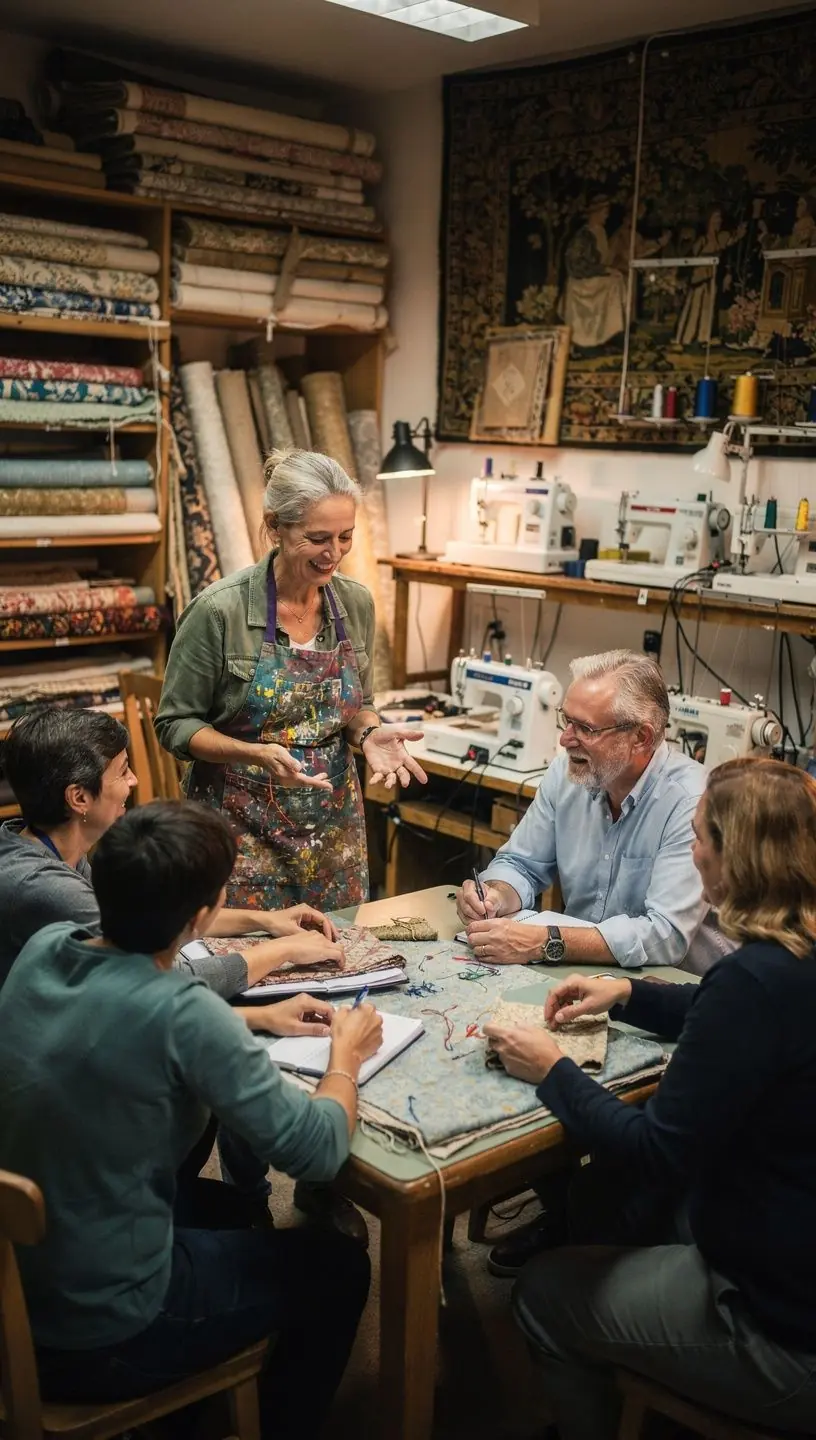
Upholstery repair involves restoring or refreshing the fabric and structure of furniture. According to industry experts, many users find that learning the basics of upholstery can significantly extend the lifespan of their favorite pieces. Common techniques include reupholstering, patching, and reinforcing seams, each serving a specific purpose.

"A well-executed upholstery repair can enhance both the beauty and durability of furniture, making it a worthwhile investment." - Upholstery Specialist
Common Techniques for Upholstery Repair
When it comes to tackling upholstery repair, understanding the techniques available is crucial. Here are a few common methods:
- Reupholstering: This process involves removing the old fabric and replacing it with new material. Experts recommend this method for significantly worn or outdated upholstery. It typically requires some skill and an understanding of the furniture's structure.
- Patching: If you have a small tear or stain, patching can be an effective solution. This technique often involves sewing a piece of fabric over the damaged area. It's a good option for those who want to make quick repairs without complete reupholstering.
- Reinforcing Seams: Over time, seams can weaken, leading to fabric tearing. Reinforcing these seams can help maintain the integrity of the upholstery, which is often recommended by experts in the field, especially for high-use furniture.
The Process of Upholstery Repair
Understanding how to effectively carry out upholstery repairs involves several key steps:
- Assessment: Examine the piece for damage, noting areas that need attention.
- Material Selection: Choose fabric that matches the style and durability needs of the furniture. Industry standards suggest considering the use case; for example, a family living room piece may require more durable material.
- Repair Execution: Depending on the chosen method, execute the repair. This may involve detailed work like stitching or cutting and fitting new fabric.
- Finishing Touches: Finally, make sure to finish with any necessary treatments to protect the fabric, ensuring longevity.
Challenges and Considerations
While upholstery repair can be rewarding, it is important to acknowledge potential challenges:
- This process often requires a time commitment; significant repairs like reupholstering can typically take 2-4 weeks, depending on the complexity.
- Some techniques may involve a learning curve, particularly if you are new to DIY repairs. Many users report that practice helps improve their skills over time.
- Not all furniture types are suitable for every repair method. For example, antique pieces may require special care to preserve their value.
Conclusion
Upholstery repair is an effective way to enhance the longevity and appeal of your furniture. By understanding the various techniques and their applications, you can make informed decisions about how to approach your repair projects. Always consider the time and effort required, and don’t hesitate to consult with professionals if needed. Whether you are looking to DIY or seeking expert assistance, a reliable approach can help ensure your furniture remains a beautiful part of your home for years to come.
Learn More