Practical Guide to Restoring Vintage Items
Restoring vintage items can be a rewarding endeavor that not only preserves history but also brings a touch of character to your home. This guide aims to provide practical insights into the restoration process, ensuring you have realistic expectations and the necessary knowledge to embark on this journey.
Understanding the Basics of Vintage Restoration
Before diving into restoration, it's important to understand what vintage restoration entails. Typically, it involves repairing, cleaning, and rejuvenating items that hold historical significance or aesthetic value. According to industry experts, restoring vintage items not only enhances their appearance but can also significantly increase their market value.

"Studies indicate that properly restored vintage items can appreciate in value by up to 30%." - Vintage Restoration Association
The Restoration Process: Step-by-Step
Restoring vintage items often requires a careful and methodical approach. Below are key steps typically involved in the restoration process:
- Assessment: Start by evaluating the item's condition. Look for structural issues, damages, and the materials used.
- Cleaning: Gently clean the item using appropriate techniques. For wood, a damp cloth works well, while metals may require specialized cleaning solutions.
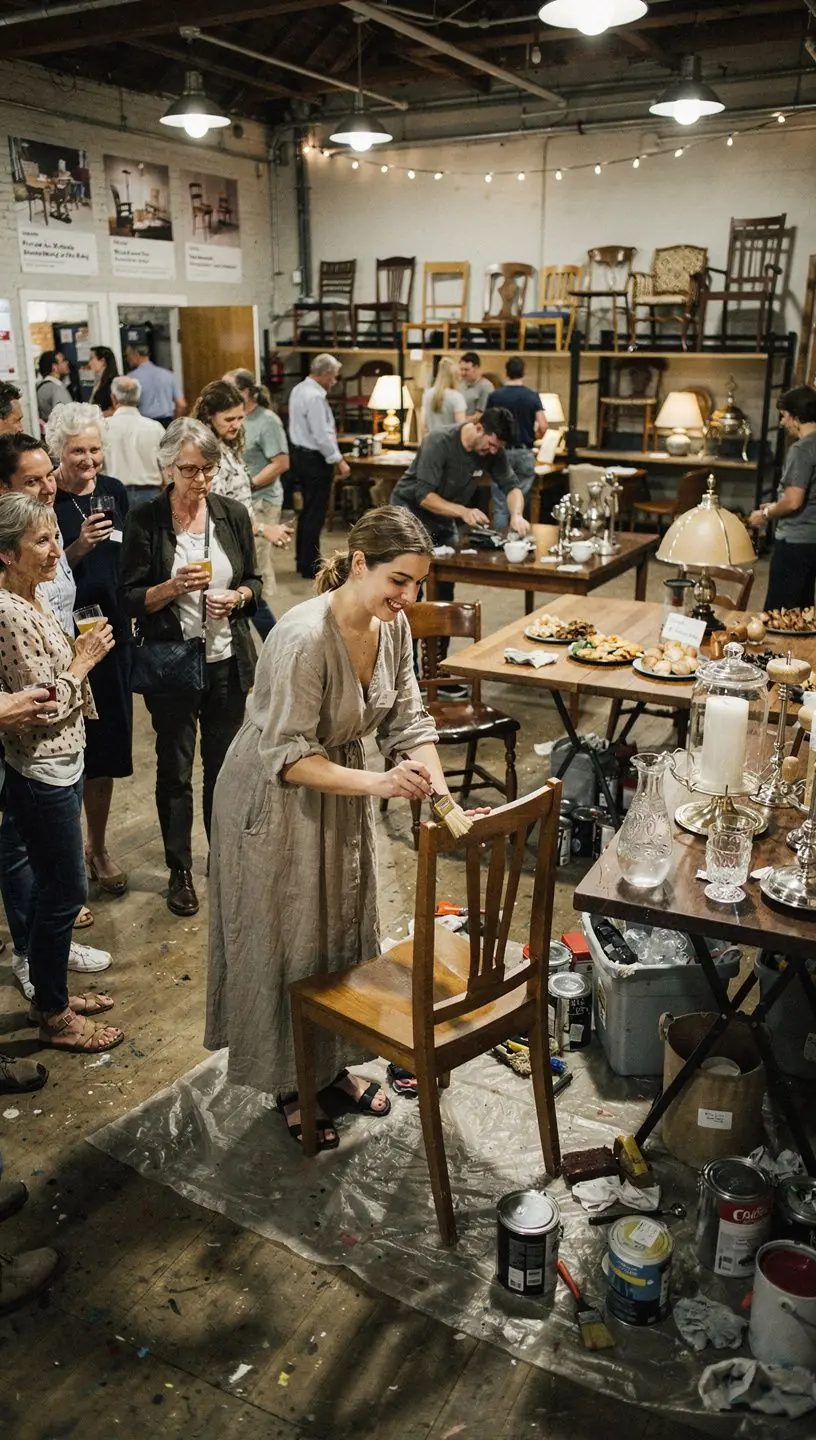
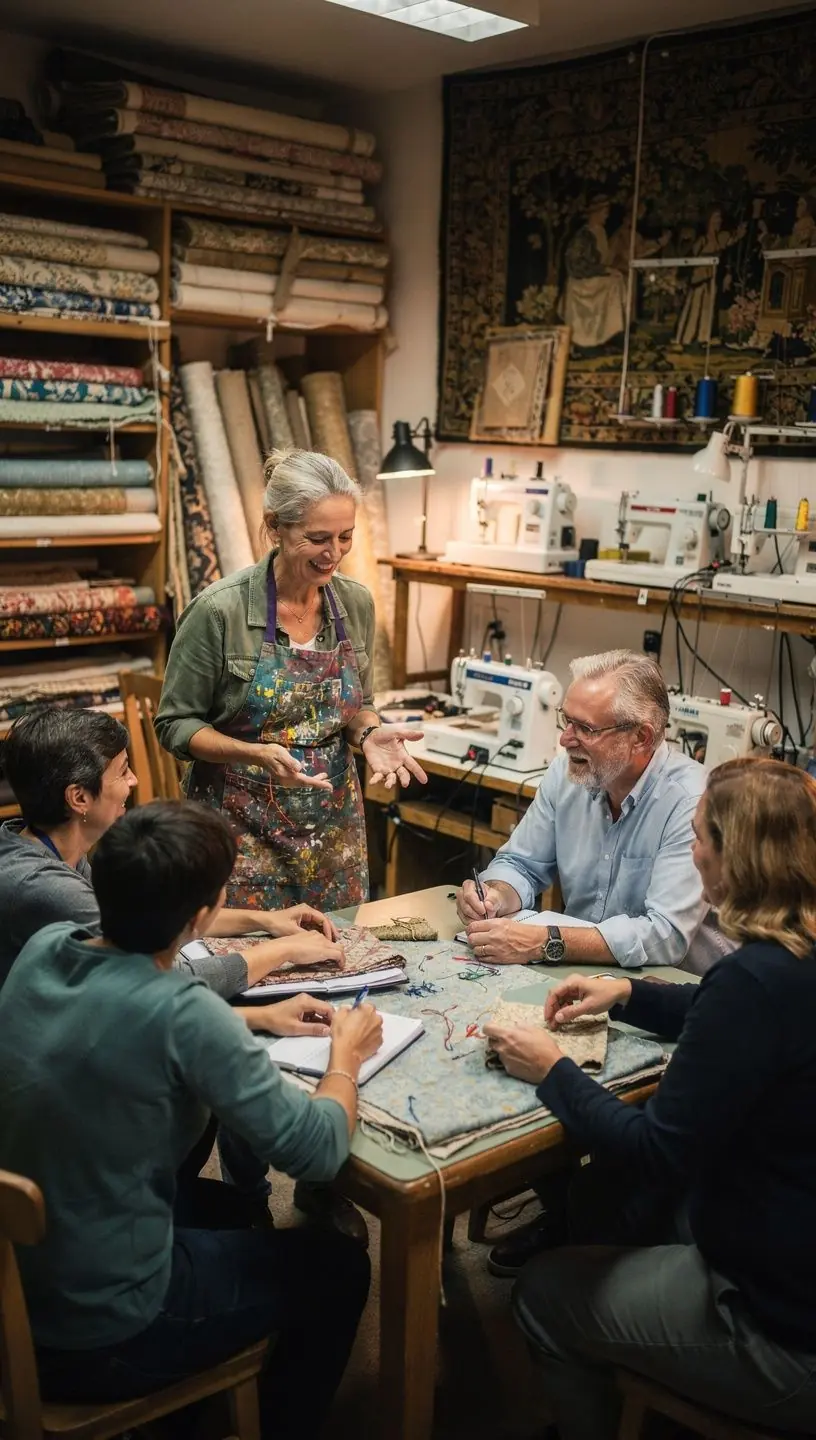
- Repair: Depending on the item, repairs may include reupholstering furniture, re-gluing parts, or even refinishing surfaces. Experts recommend using materials compatible with the original to preserve authenticity.
- Finishing: Apply finishes that enhance the item's appearance without compromising its integrity. This might involve polishing, waxing, or applying protective coatings.
Tools and Materials You May Need
Having the right tools and materials can significantly facilitate the restoration process. Here’s a list of commonly used items:
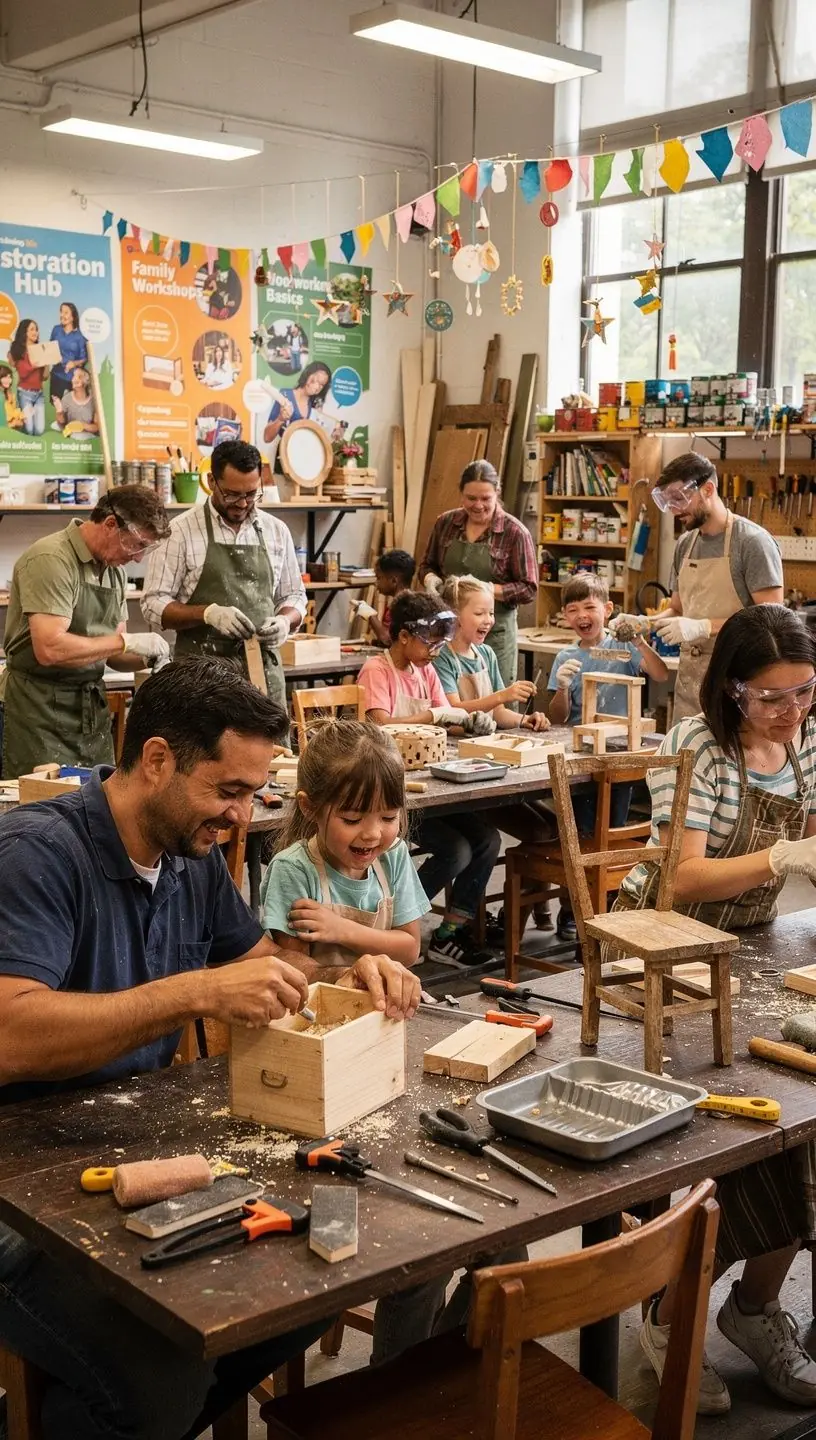
- Tools: Brushes, cloths, sandpaper, and small hand tools for assembly and disassembly.
- Materials: Wood glue, varnish, paint, and upholstery fabric, depending on the type of item you are restoring.
- Protective Gear: Gloves, masks, and safety goggles are essential for your safety during restoration.
Time Commitment and Realistic Expectations
Restoring vintage items typically takes anywhere from a few days to several weeks, depending on the complexity of the project. Many users report that large-scale restorations can require dedicated effort and a learning curve to master techniques. It's important to acknowledge that not every item can be restored to its original condition, and some may require professional assistance, especially if they have considerable damage.
Conclusion: Embrace the Journey
Restoring vintage items can be a fulfilling process that combines creativity with craftsmanship. By following a structured approach and remaining realistic about the time and effort required, you can successfully revive cherished pieces. Remember to research best practices and seek expert advice when necessary, as this will enhance your restoration experience and outcomes. Enjoy the journey of bringing the past back to life!
Learn More