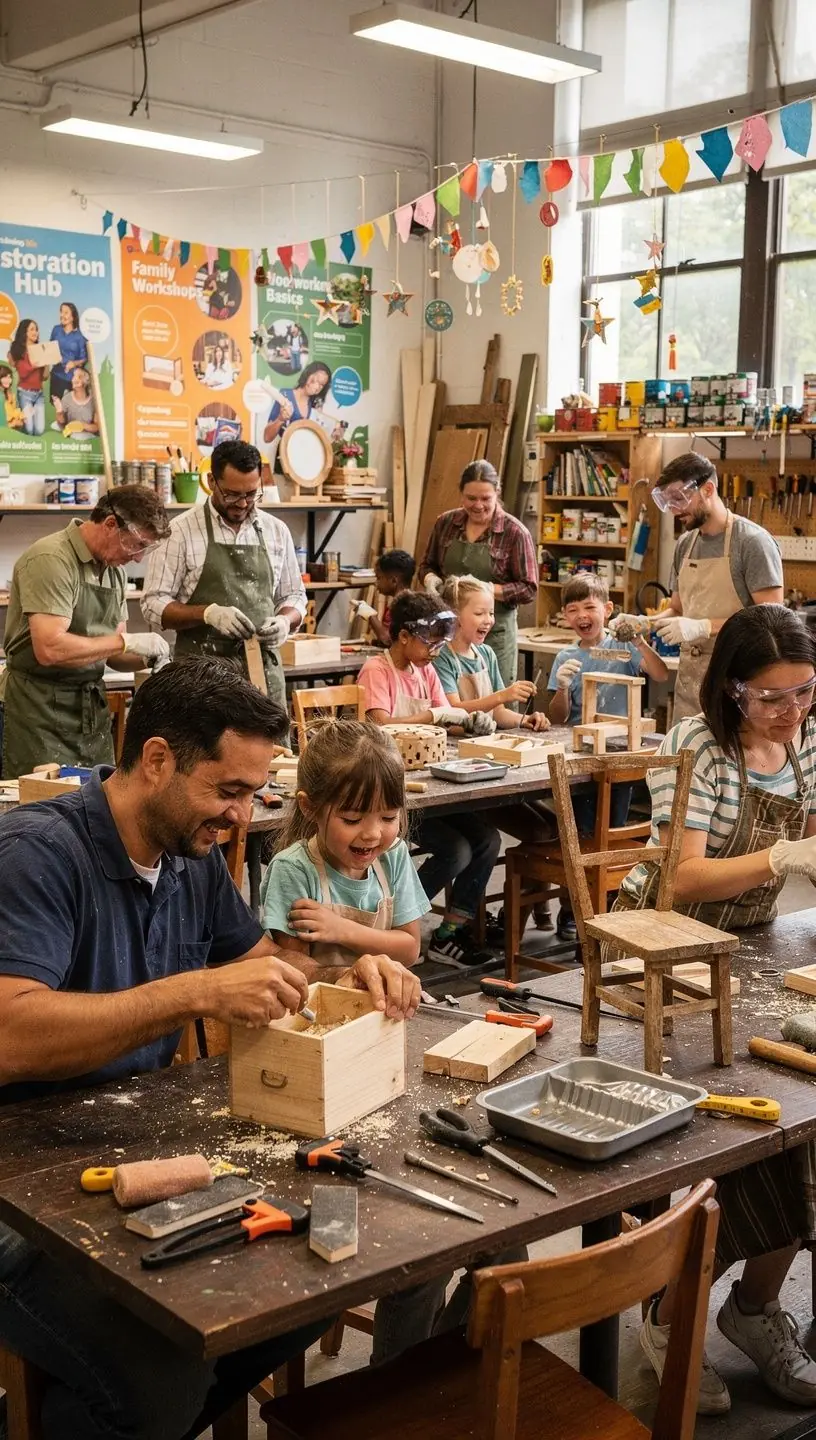
Understanding the Basics of Furniture Repair
Furniture repair is a skill that can not only extend the life of your beloved pieces but also save money. In this guide, we will explore the foundational concepts of furniture repair, providing practical insights that can help you make informed decisions.
Understanding the Basics
Furniture repair typically involves restoring or fixing damaged items to maintain their functionality and appearance. This process can include various techniques such as refinishing, reupholstering, and structural repairs. According to experts in the field, understanding the materials and construction methods used in your furniture is essential for effective repair.
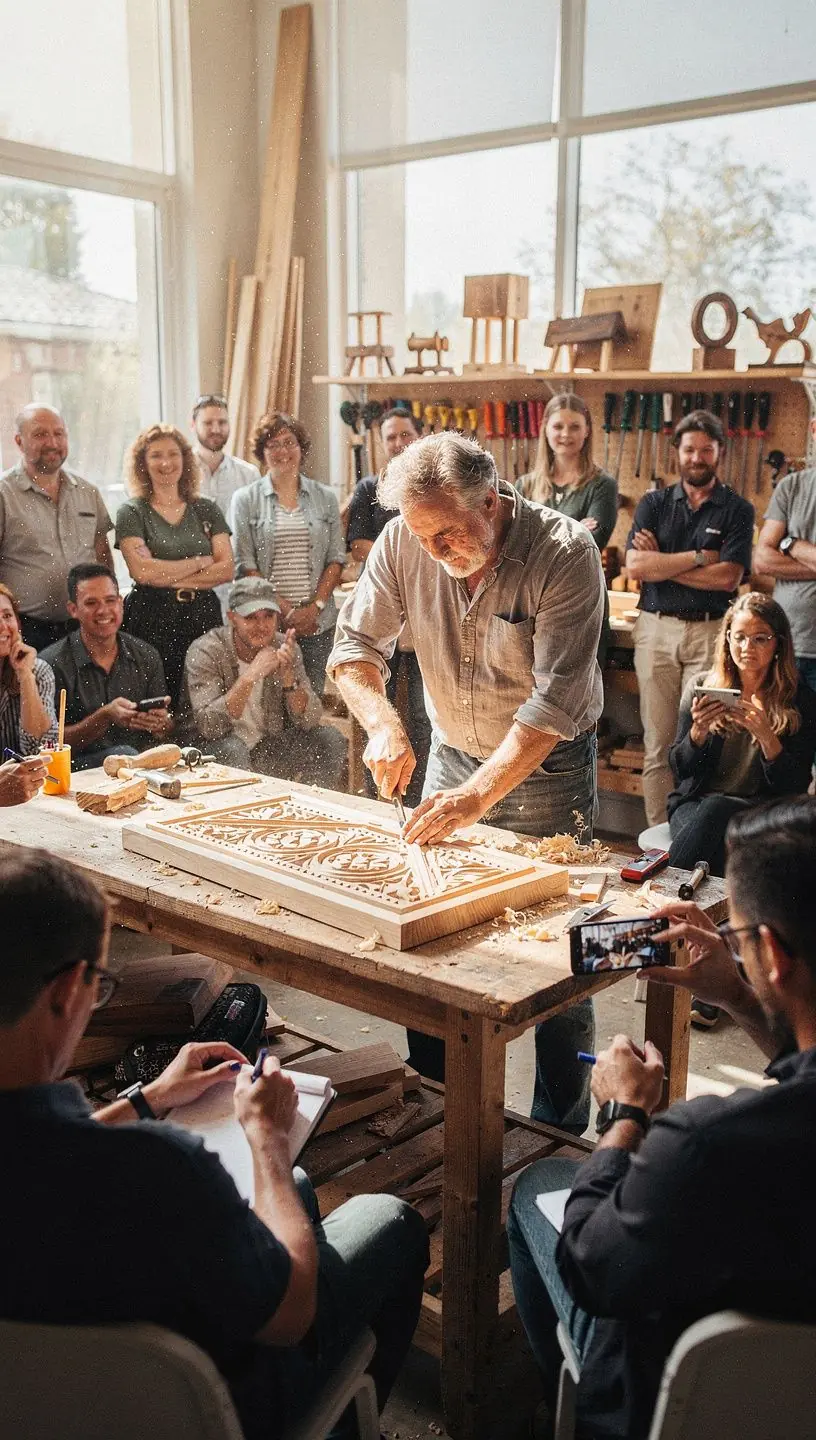
"Research indicates that regular maintenance and timely repairs can extend the lifespan of furniture by up to 50%."
Common Types of Furniture Repairs
There are several common issues that can arise with furniture, each requiring different approaches. Here are some frequent repair types along with the methods typically used:
- Scratches and Dents: Surface damage is often repaired through sanding, filling, and refinishing. This works because smoothing out the surface restores the original finish.
- Loose Joints: Many furniture pieces are constructed with joints that can loosen over time. Reinforcing these joints with glue or dowels is a common practice that can effectively restore stability.
- Upholstery Damage: Torn or worn upholstery can be reupholstered or patched. Experts recommend using fabrics that are suitable for the specific type of furniture to ensure durability.
Tools and Materials Needed
Before embarking on any furniture repair project, it’s crucial to gather the necessary tools and materials. Here’s a list that many users have found helpful:
- Wood glue and clamps for structural repairs
- Sanding tools and finishes for surface restoration
- Staple gun and upholstery fabric for reupholstering
The Repair Process
The actual process of furniture repair typically involves several steps:
- Assessment: Examine the damage to determine what repairs are needed. This is often the most critical step, as understanding the underlying issues can save time and effort.
- Preparation: Gather all tools and materials, and prepare the workspace to ensure a smooth repair process. A clean workspace can enhance focus and efficiency.
- Execution: Carry out the repairs systematically. For example, when refinishing, it’s essential to follow the steps of sanding, applying stain, and finishing for optimal results.
Limitations of DIY Repairs
While many repairs can be performed at home, some may require professional expertise. For instance, intricate structural repairs or high-end upholstery work often necessitate a trained craftsman. This is because DIY methods may not always align with industry standards, potentially leading to further damage. Additionally, repairs can be time-consuming; many users report that DIY methods often require several weeks to complete, especially if multiple processes are involved.
Conclusion
In summary, furniture repair is a valuable skill that can enhance the longevity of your items. By understanding the basics and employing the right techniques, you can achieve effective results. Remember to set realistic expectations regarding time and effort, and do not hesitate to seek professional help when needed. Ultimately, whether you choose a DIY approach or consult with a professional, learning about furniture repair equips you with the knowledge to make informed choices for your household items.
Learn More